
-
Breathe Deeply. Just take a 5-minute break and focus on your breathing. Sit up straight, eyes closed, put your hand on your belly. Inhale slowly through your nose, feeling the breath start in your abdomen and work its way to the top of your head. Then reverse the process as you exhale through your mouth. “Deep breathing counters the effects of stress by slowing the heart rate and lowering blood pressure,” says Judith Tutin, PhD, a certified life coach in Rome, GA.
-
Listen to music. If you’re feeling overwhelmed by a stressful situation, try taking a break and listening to relaxing music. It can be classical or your favourite band. Or just some melody like ocean or nature sounds that will calm you down and make your worries and stress step back. Playing calm music has a positive effect on the brain and the body. It can lower blood pressure, and reduce cortisol, a hormone linked to stress.
- Call a friend. If you’re feeling stressed there is a simple and pleasant solution – take a break to call a friend and talk about your problems. Good relationships with friends and loved ones are important to any healthy lifestyle. And there’s no time that this is more evident than when you’re under a lot of stress. A reassuring voice, even for a minute, can put everything in perspective.
- …Or talk to yourself. Sometimes calling a friend is not an option. If this is the case, talking calmly to yourself can be the next best thing to do. Don’t worry about seeming crazy – just tell yourself why you’re stressed out, what you have to do to complete the task at hand and you will see that there is no reason for worries. And most important, that everything will be OK. And trust us, it will be.
-
Decompress. Place a warm heat wrap around your neck and shoulders for about 10 minutes. Close your eyes and relax your face, neck, upper chest, and back muscles. Remove the wrap and then use a tennis ball or a foam roller to massage away tension. Place the ball between your back and the wall. Lean into the ball, and hold gentle pressure for up to 15 seconds. Then move the ball to another spot, and apply pressure.
- Laug Out Loud. Laughing tricks your nervous system into making you happy. A good belly laugh doesn’t just lighten the load mentally. It lowers cortisol, your body’s stress hormone, and boosts brain chemicals, called endorphins, which help your mood. Lighten up by tuning in to your favorite sitcom or video, reading the comics, or chatting with someone who makes you smile. Everything works, just pick your way and go on. Using humor allows you to take back your power. This is why Stress doesn’t like laughter.
- Eat well. Stress levels and a proper diet are closely related. Unfortunately, it’s when we have the most work that we forget to eat well and resort to using sugary, fatty snack foods as a pick-me-up. Try to avoid the vending machine and plan ahead. Fruits and vegetables are always good choice. Instead of fast food have for example fish, which is with high levels of omega-3 fatty acids. Studies have shown that vegetables, fruits, fish and nuts really can help you reduce the symptoms of stress. A tuna sandwich really is brain food.
- Exercise. Just 30 to 45 minutes of exercise three times a week can make you feel much healthier and in control of your own life. Studies have shown that exercise can relieve stress, reduce depression and improve your cognitive function. Exercise also help release endorphins, chemicals that trigger positive feelings. You can choose whatever you want – take up running, join a pool and swim a mile every other day, take a yoga class or why not take up hiking. You’ll feel less stressed if you spend more time in nature and exposed to fresh air.
- Improve your sleep schedule. Sleep is simply too important to shortchange and sacrifice. Improving your sleep schedule will go a long way in helping you reduce stress, since sleep affects your memory, judgment, and mood. Most people need 7-9 hours of sleep a day to get a healthy night’s sleep. Sleeping too much or not enough can make you feel groggy and unable to deal with your responsibilities. Try to get the same amount of sleep every night and go to bed and wake up around the same time every day.
- Have a cup of tea. A large dose of caffeine causes a short-term spike in blood pressure and may cause your hypothalamic-pituitary-adrenal axis to go into overdrive. Instead of coffee or energy drinks, try tea. A number of herbs and teas can have a calming effect and reduce stress-induced insomnia, anxiety or anger. But always make sure to consult your physician or other health practitioner before using any new herbs or supplements. The most common herbs and teas used for stress relief include:
- Chamomile – The chamomile plant has been popular because of its wide range of healing properties and its easy availability. Perhaps most commonly ingested as a tea, chamomile is often used to relieve stress-induced symptoms, such as insomnia and upset stomachs.
- Passionflower – Passionflower plants have been used to treat sleep disorders, anxiety, and gastrointestinal problems. Recent research has suggested that passionflower can be as effective as prescriptive chemical drugs in treating anxiety. Passionflower is usually ingested as a tea.
- Lavender – Research has shown that lavender can produce calming, soothing, and sedative effects when its scent is inhaled. For this reason, lavender is often used in aromatherapy oils, teas, soaps, bath gels and lotions, among many other commercial products.
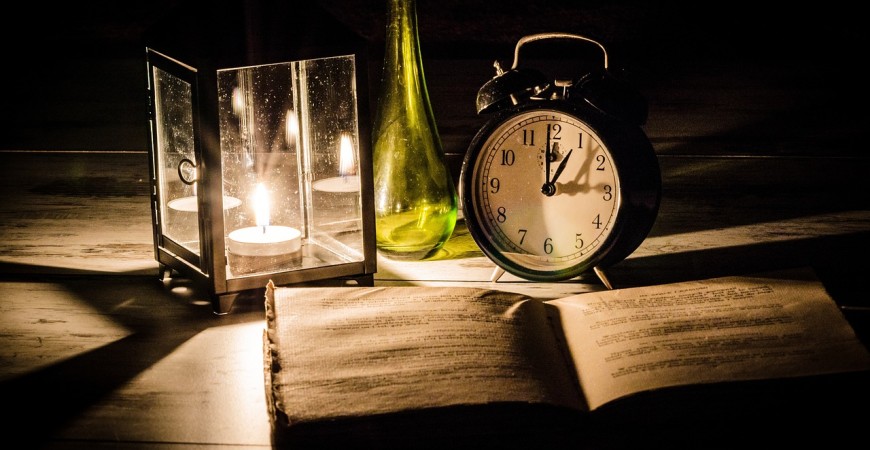
10 Simple Ways to Release Stress
Stress. All of this stress. You need to release it? You want to reduce it? So here are a few tips that can help you to do this fast and easy.